30 Feelings List for Kids Teens: A Practical Guide to Building Emotional Awareness
Understanding the 30 Feelings List for Kids Teens
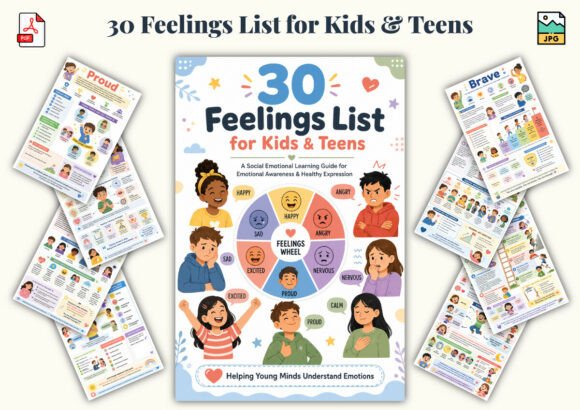
The 30 Feelings List for Kids Teens is a comprehensive, printable Social Emotional Learning (SEL) workbook designed to help children and adolescents explore, understand, and express their emotions. With 31 beautifully designed pages, this resource supports emotional development through engaging, age-appropriate content that encourages self-reflection and healthy emotional regulation.
Developed with input from educators, counselors, and child development experts, the workbook provides a structured yet flexible framework for teaching emotional awareness. Each page introduces a specific feeling—such as happy, sad, nervous, brave, or grateful—accompanied by simple prompts and visual cues that make emotional learning accessible and engaging for young minds.
Why Emotional Awareness Matters for Kids and Teens
Children and teens often struggle to identify and articulate their emotions, which can lead to frustration, behavioral issues, or difficulty in social situations. Emotional awareness is a foundational skill that supports healthy development, academic success, and positive relationships. Without the tools to understand and express feelings, young people may act out, withdraw, or experience heightened anxiety and stress.
Common challenges include:
- Difficulty labeling emotions accurately
- Struggles with emotional regulation during stressful moments
- Limited vocabulary to describe internal experiences
- Feelings of being misunderstood or unsupported
These emotional gaps can affect school performance, peer interactions, and long-term mental health. The 30 Feelings List for Kids Teens addresses these challenges by offering a structured, supportive way for young learners to explore their emotional landscape.
How the 30 Feelings List for Kids Teens Helps
This SEL workbook is more than just a list of emotions—it’s a tool for building emotional intelligence. Through guided exercises, visual prompts, and reflective questions, the workbook helps users:
- Recognize and name a wide range of emotions
- Understand the physical and situational triggers of feelings
- Develop empathy by exploring how others might feel
- Practice healthy coping strategies for managing strong emotions
Each of the 31 pages is designed with a clean, modern layout and a soft pastel color palette that enhances readability while maintaining a calming aesthetic. The workbook’s printable format makes it easy to use in classrooms, counseling sessions, homeschool settings, or at home during family discussions.
Practical Applications Across Different Settings
One of the greatest strengths of the 30 Feelings List for Kids Teens is its versatility. Whether you're a teacher, parent, counselor, or therapist, this resource can be adapted to meet a variety of needs and learning styles.
For Educators and School Counselors
In the classroom, the workbook can be used as part of a broader SEL curriculum. Teachers can introduce one feeling per week, using the workbook pages as discussion starters or journaling prompts. Counselors can incorporate the resource into individual or group sessions, helping students explore specific emotions that may be impacting their behavior or well-being.
For Parents and Caregivers
At home, the workbook encourages meaningful conversations about emotions. Parents can use the pages to help children reflect on their day, process challenging experiences, or talk about how they’re feeling. The workbook’s kid-friendly design and simple language make it approachable for even the youngest learners.
For Therapists and SEL Practitioners
Mental health professionals can use the workbook as a supplemental tool during sessions focused on emotional regulation, anxiety, or social skills development. The structured format allows for easy integration into therapeutic routines, and the printable nature of the resource ensures flexibility in how it’s used.
Maximizing the Benefits of the Workbook
To get the most out of the 30 Feelings List for Kids Teens, it’s important to create a safe, non-judgmental space for emotional exploration. Here are a few tips to enhance the experience:
- Start with the basics: Begin with familiar emotions like happy, sad, and angry before moving on to more complex feelings like hopeful, grateful, or embarrassed.
- Use real-life examples: Relate emotions to everyday situations so children can connect the workbook content to their own experiences.
- Encourage reflection: Ask open-ended questions like, “When have you felt this way before?” or “What helped you feel better?”
- Normalize all feelings: Emphasize that all emotions are valid and that it’s okay to feel a wide range of things.
- Model emotional expression: Adults should share their own feelings and coping strategies to demonstrate emotional openness.
Supporting Long-Term Emotional Growth
The 30 Feelings List for Kids Teens isn’t just a one-time activity—it’s a foundation for lifelong emotional intelligence. As children grow, their emotional vocabulary and understanding will expand, allowing them to navigate complex social situations, manage stress, and build resilience.
Over time, consistent use of the workbook can lead to:
- Improved emotional regulation
- Greater self-awareness and confidence
- Stronger interpersonal relationships
- Increased empathy and emotional maturity
Whether used in a classroom, therapy session, or at home, this SEL resource empowers young people to become more emotionally aware and better equipped to handle life’s challenges.
Conclusion: A Valuable Tool for Every Emotional Learning Toolkit
The 30 Feelings List for Kids Teens offers a practical, visually appealing, and educationally sound approach to emotional learning. Designed with the needs of children and teens in mind, this printable workbook supports emotional growth in a way that’s both engaging and meaningful.
For educators, counselors, parents, and therapists, it’s a valuable addition to any SEL toolkit. By helping young people understand and express their emotions, we give them the tools they need to thrive—both now and in the future.