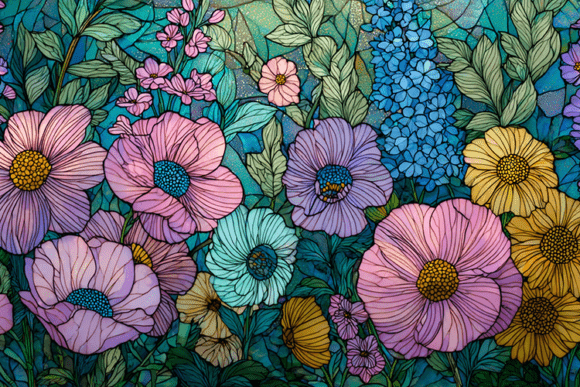
Colorful Floral Stained Glass Pattern: A Workflow Asset for Design and Branding
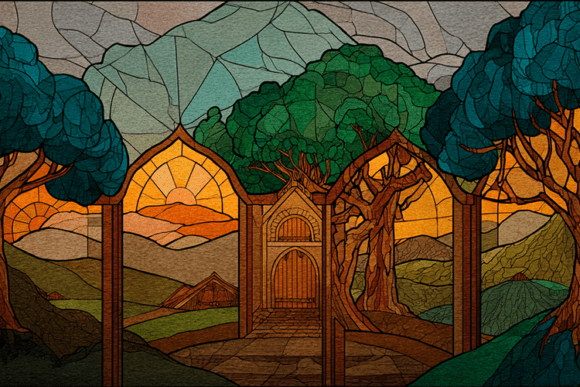
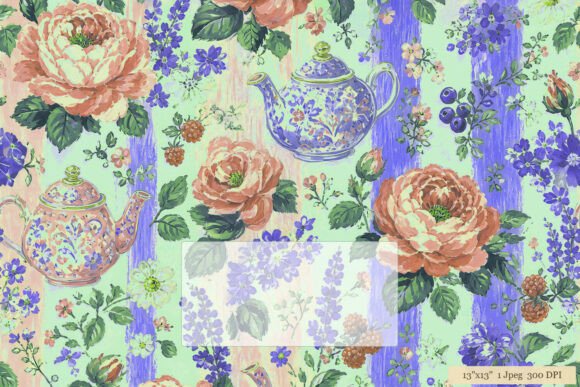
In the realm of digital design, the quality of visual assets often dictates the success of a project. The Colorful Floral Stained Glass Pattern represents more than just an aesthetic choice; it is a functional resource that bridges the gap between conceptual planning and final execution. Available as a high-resolution JPG file with dimensions of 5824 x 3264 pixels, this asset offers a specific set of advantages for professionals ranging from graphic designers to small business owners. Understanding how to integrate this pattern into your existing workflow can streamline production times, enhance brand consistency, and ensure print-ready results without unnecessary technical hurdles.
Understanding the Asset Specifications and Utility
Before integrating any visual element into a project, it is crucial to evaluate its technical specifications against your intended output. The Colorful Floral Stained Glass Pattern is engineered for versatility. Its resolution of 5824 x 3264 pixels places it firmly in the category of high-definition imagery suitable for both large-format printing and detailed digital displays. Unlike lower-resolution stock photos that may pixelate when scaled, this file maintains clarity, making it a reliable choice for posters, banners, packaging, and website headers.
The format itself, a JPG file, ensures broad compatibility across industry-standard software such as Adobe Photoshop, Illustrator, Canva, and various content management systems. This universality reduces friction during the handoff process between team members or freelancers. The "print-ready" designation indicates that the color profile and resolution have been optimized for physical reproduction, minimizing the need for extensive pre-press adjustments. For creators managing tight deadlines, having an asset that requires minimal preparation allows for a faster transition from ideation to delivery.
Strategic Integration into Creative Workflows
The value of the Colorful Floral Stained Glass Pattern extends beyond its visual appeal; it serves as a strategic component within a broader creative process. Depending on the stage of your project, this asset can function as a foundational background, a textural overlay, or a focal point for branding materials.
Pre-Production Planning and Mood Setting
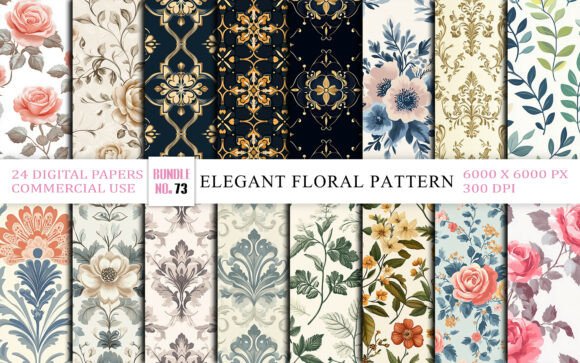
During the initial planning phase of a design project, establishing a visual direction is critical. This pattern can be used to create mood boards that communicate the desired tone to clients or stakeholders. The vibrant blossoms and detailed leaves inherent in the design evoke a sense of nature-inspired artistry, which is particularly effective for brands targeting wellness, lifestyle, or artisanal markets. By incorporating the pattern early in the decision-making process, teams can align on color palettes and stylistic themes before committing to complex layouts. This proactive use of the asset helps prevent costly revisions later in the timeline.
Execution and Layout Development
Once the concept is approved, the pattern moves into the execution phase. Here, its high resolution allows designers to crop, scale, or mask sections without losing detail. For instance, a marketer creating a social media campaign might use the full pattern as a background for a carousel post, while a web developer could isolate specific floral elements to create unique button states or section dividers. The stained glass effect adds depth and texture, breaking up flat designs and adding a layer of sophistication that simple solid colors cannot achieve. Because the file is high quality, it interacts seamlessly with other design tools, allowing for non-destructive editing and easy integration with typography and iconography.
Post-Production and Quality Control
In the final stages of a project, quality control is paramount. The Colorful Floral Stained Glass Pattern simplifies this step due to its consistent rendering. When preparing files for print, the high DPI ensures that the intricate lines of the stained glass style remain sharp, avoiding the blurriness that often plagues lower-quality vector-to-raster conversions. For digital outputs, the file size is manageable enough to load quickly on websites while retaining visual fidelity. This reliability reduces the time spent on troubleshooting image artifacts, allowing the team to focus on final messaging and distribution strategies.
Practical Use Cases Across Industries
The versatility of this pattern makes it applicable to a wide range of professional scenarios. Below are specific examples of how different roles can leverage this asset effectively.
- Small Business Owners: Use the pattern for custom packaging labels, business cards, or storefront signage. The nature-inspired aesthetic can help differentiate a local boutique or cafe in a crowded market.
- Educators and Publishers: Incorporate the design into course materials, workbook covers, or educational posters. The engaging visuals can capture student attention and break up dense text.
- Freelance Designers: Utilize the pattern as a base for client presentations. It demonstrates an ability to work with high-end textures and adds immediate polish to mockups.
- Bloggers and Content Creators: Apply the pattern to featured images, newsletter backgrounds, or YouTube thumbnails to maintain a cohesive visual identity across platforms.
- Event Planners: Use the high-resolution file for invitations, table runners, or digital event backdrops, ensuring that printed materials look professional and vibrant.
Optimizing Usability and Long-Term Value
To maximize the return on investment for this digital asset, proper organization and usage protocols should be established. Storing the Colorful Floral Stained Glass Pattern within a centralized digital asset management (DAM) system ensures that all team members have access to the original high-quality file. This prevents the degradation of quality that occurs when multiple copies are saved and re-saved over time.
Consistency is another key factor in long-term usability. Once a pattern is selected for a brand's visual language, it should be applied uniformly across all touchpoints. This includes maintaining the same color saturation and scaling ratios to reinforce brand recognition. The vibrant nature of the blossoms and leaves means that the pattern stands out even when used subtly, such as a watermark or a low-opacity background. However, care must be taken to ensure that text overlaid on the pattern remains legible. Using drop shadows, semi-transparent overlays, or selecting areas of the pattern with less visual noise for text placement are practical techniques to maintain readability.
Technical Considerations for Implementation
While the file is described as print-ready, understanding the nuances of color management is essential for professional outcomes. The JPG format uses the RGB color model by default, which is ideal for screens. If the primary goal is large-scale printing, converting the file to CMYK within your design software before export is a recommended best practice. This ensures that the vibrant colors of the stained glass effect translate accurately to ink on paper. Additionally, because the pattern features detailed leaves and intricate lines, it is advisable to test print a small section first to verify that the printer's resolution settings are sufficient to capture the fine details.
For digital workflows, optimizing the file size without compromising quality is a common challenge. While the original 5824 x 3264 px file is excellent for print, web applications may require a downscaled version to improve page load speeds. Modern compression tools can reduce the file size significantly while preserving the integrity of the floral details. This dual-purpose approach—maintaining a master high-res file for print and creating optimized derivatives for web—ensures efficiency across all channels.
Conclusion on Workflow Efficiency
The Colorful Floral Stained Glass Pattern is a robust tool that, when understood and applied correctly, enhances the efficiency and quality of creative projects. Its high resolution, versatile format, and striking aesthetic make it a valuable addition to the toolkit of any professional involved in visual communication. By integrating this asset thoughtfully into the planning, execution, and review phases of a project, users can achieve professional-grade results with greater speed and confidence. Whether used for branding, marketing, or personal creative endeavors, the pattern offers a reliable foundation for bringing nature-inspired artistic designs to life.